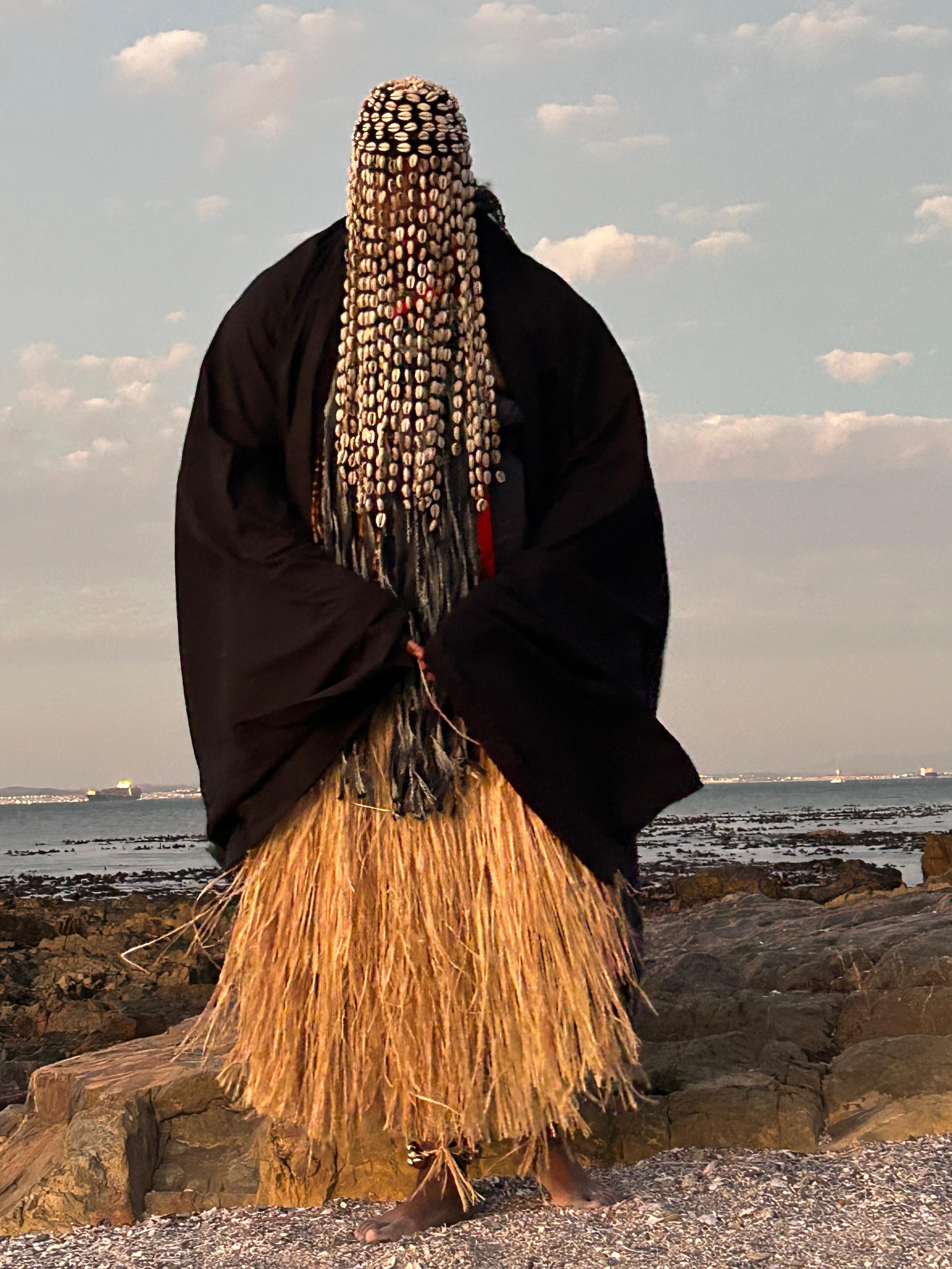
Masquerade: A Thousand Mouths
A Thousand Mouths is a ceremonial, artistic, and ancestral masquerade tradition devoted to the remembrance, embodiment, and elevation of the Drowned Ancestors of the Maafa: the countless African dead lost to the Atlantic during the transatlantic slave trade.
Developed through The Myriad, the masquerade is believed to be the first known masquerade tradition on either side of the Atlantic Ocean explicitly centered upon the ancestral dead of the Middle Passage as its primary sacred focus.
Drawing from the ritual logic of African masquerade traditions across the continent and diaspora, A Thousand Mouths approaches the mask not merely as costume or performance, but as a sacred technology of embodiment, memory, transformation, and ancestral presence. Within many African traditions, the masked figure does not simply represent spirit or ancestor — it becomes a threshold-being through which memory, authority, grief, continuity, and the unseen world enter communal life.
A Thousand Mouths extends this ceremonial language toward one of the greatest ruptures in human history: the Maafa and the vast oceanic grave created by enslavement, displacement, and colonial violence.
This project asks:
What would it mean to create a masquerade for the drowned?
Within the masquerade, the Atlantic Ocean is approached not merely as site of death, but as spiritual geography, archive, witness, and threshold. The drowned are understood not as anonymous losses swallowed by history, but as continuing ancestral presences whose memory still moves through Black life, spirituality, music, language, ritual, grief, and survival throughout the diaspora.
The title, A Thousand Mouths, refers to the multiplication of ancestral voice across generations: the understanding that entire nations, bloodlines, prayers, cosmologies, songs, and worlds entered the waters during the Middle Passage and continue speaking through descendants across time. Each cowrie represents an open mouth.
The masquerade explores:
ancestral embodiment
ritual mourning
sacred performance
Black Atlantic memory
ceremonial identity
procession and sound
transformation through masking
oceanic grief and continuity
the relationship between water, death, memory, and return
At its core, A Thousand Mouths seeks to confront one of the great spiritual silences of the modern world: the absence of large-scale ceremonial traditions devoted specifically to the drowned African dead of the Atlantic slave trade despite the enormity of their historical and spiritual significance.
First danced during Black History Month (February 2026) by Baba Siete himself, the Masquerade stands as a living testimony.
It stands as both invocation and return:
a ritual effort to give movement, dignity, presence, sound, and sacred embodiment to those carried beneath the Atlantic and too often remembered only abstractly by history.